National Research Institute of Pakistan Sign Language (NRIPSL)
The National Research Institute of Pakistan Sign Language (NRIPSL) is a flagship project of the Pakistan Association of the Deaf (PAD). The institute is dedicated to the development, research, and standardization of Pakistani Sign Language (PSL), ensuring that Deaf individuals across Pakistan have access to both basic and modern knowledge in a clear, accessible, and culturally relevant format.
NRIPSL focuses on producing high-quality educational resources by designing and publishing a wide range of PSL-based books. The institute’s long-term vision is to establish an educational system that fully aligns with the linguistic needs of the Deaf community and contributes to improving their overall quality of life.
Core Objectives:
- To develop a complete and standardized curriculum in Pakistani Sign Language (PSL)
- To create educational materials that support the academic and cognitive development of Deaf learners
- To ensure equal access to information and education for Deaf individuals across Pakistan
- To promote the recognition, acceptance, and nationwide use of Pakistani Sign Language
Key Achievements:
National-Level Recognition – Islamabad
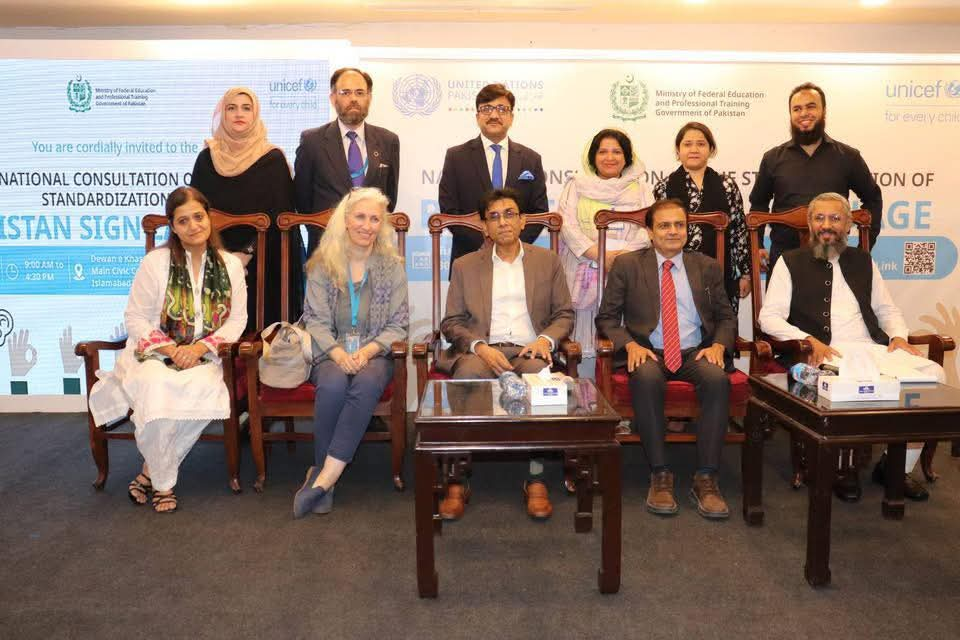
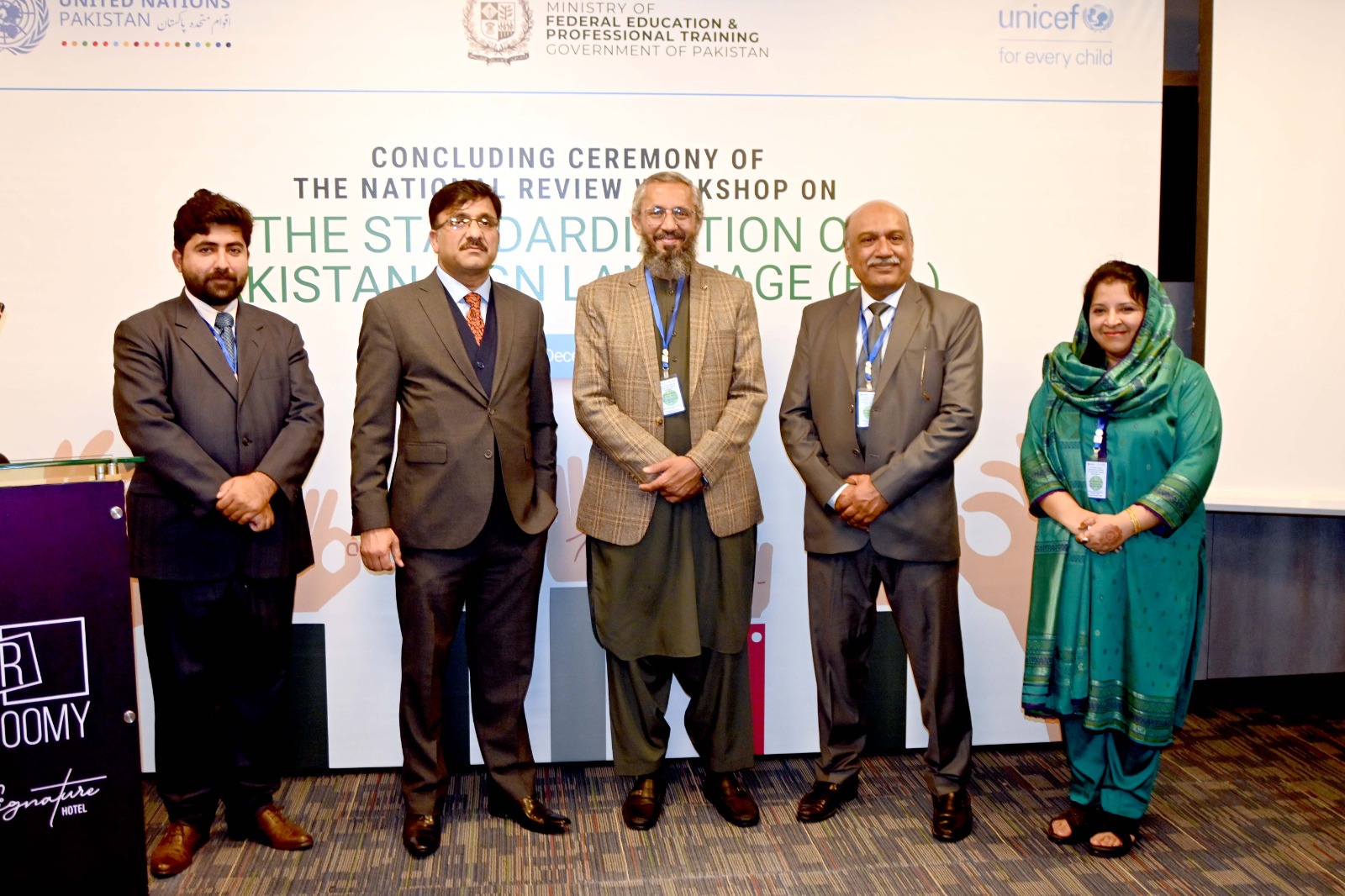
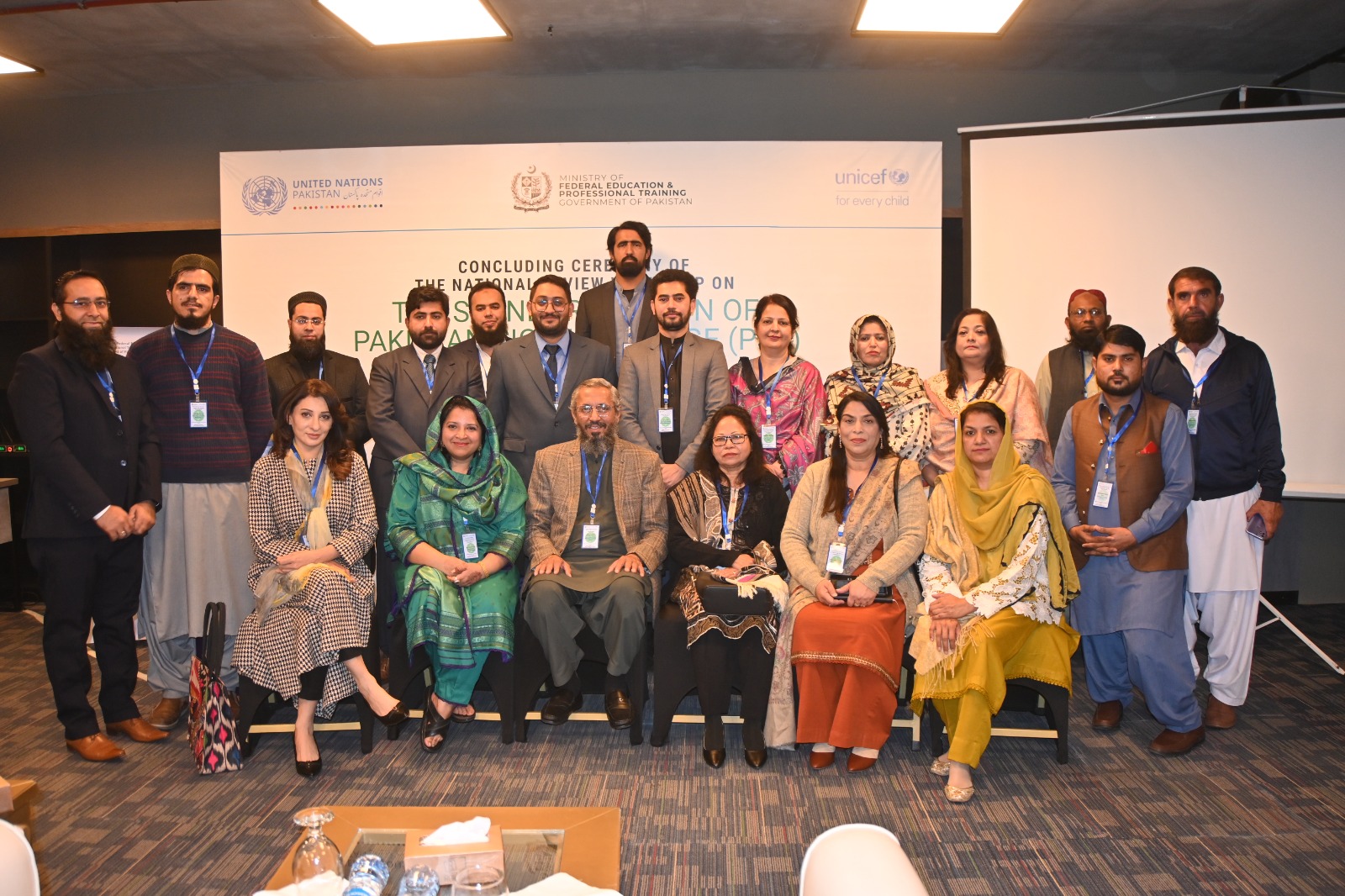
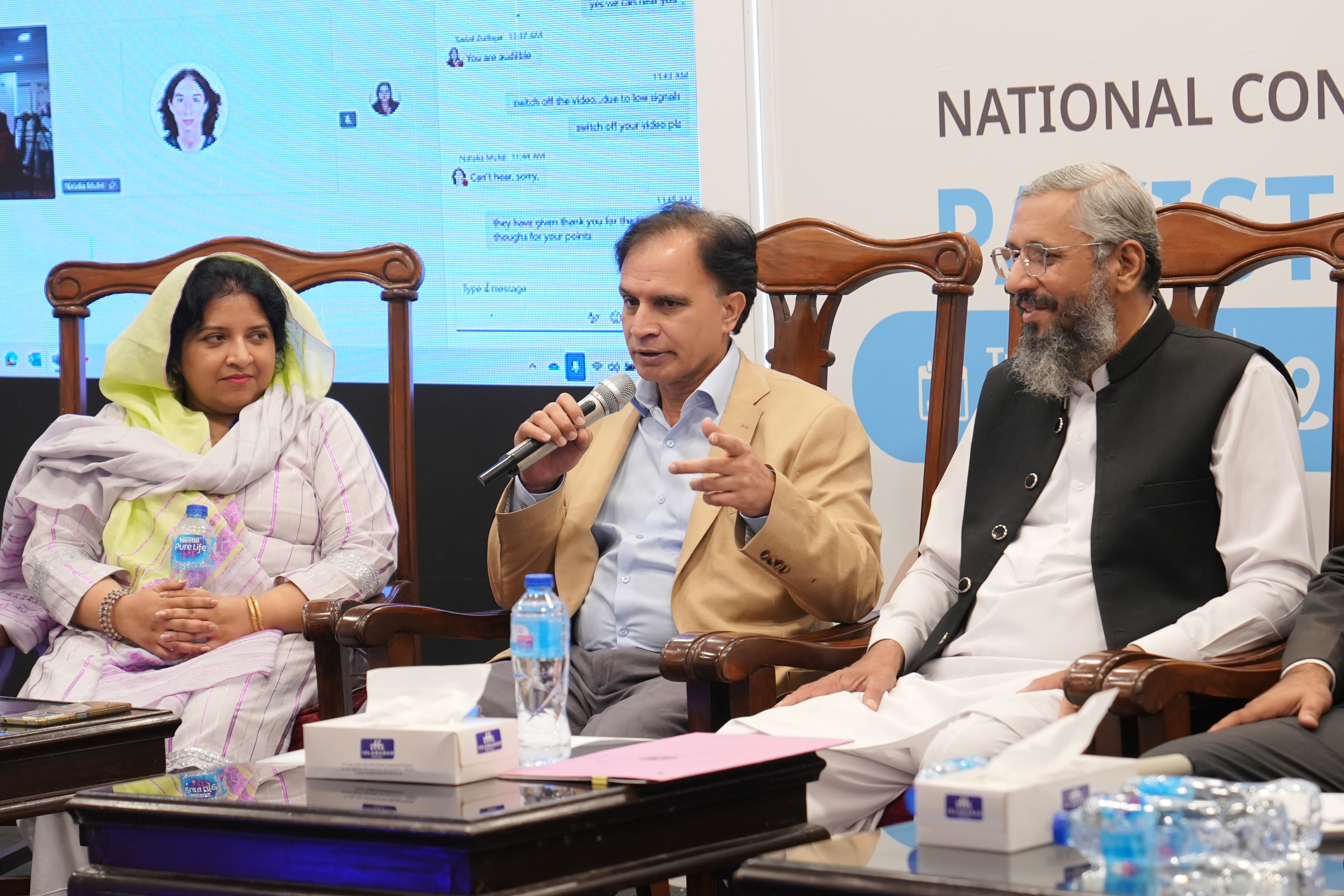
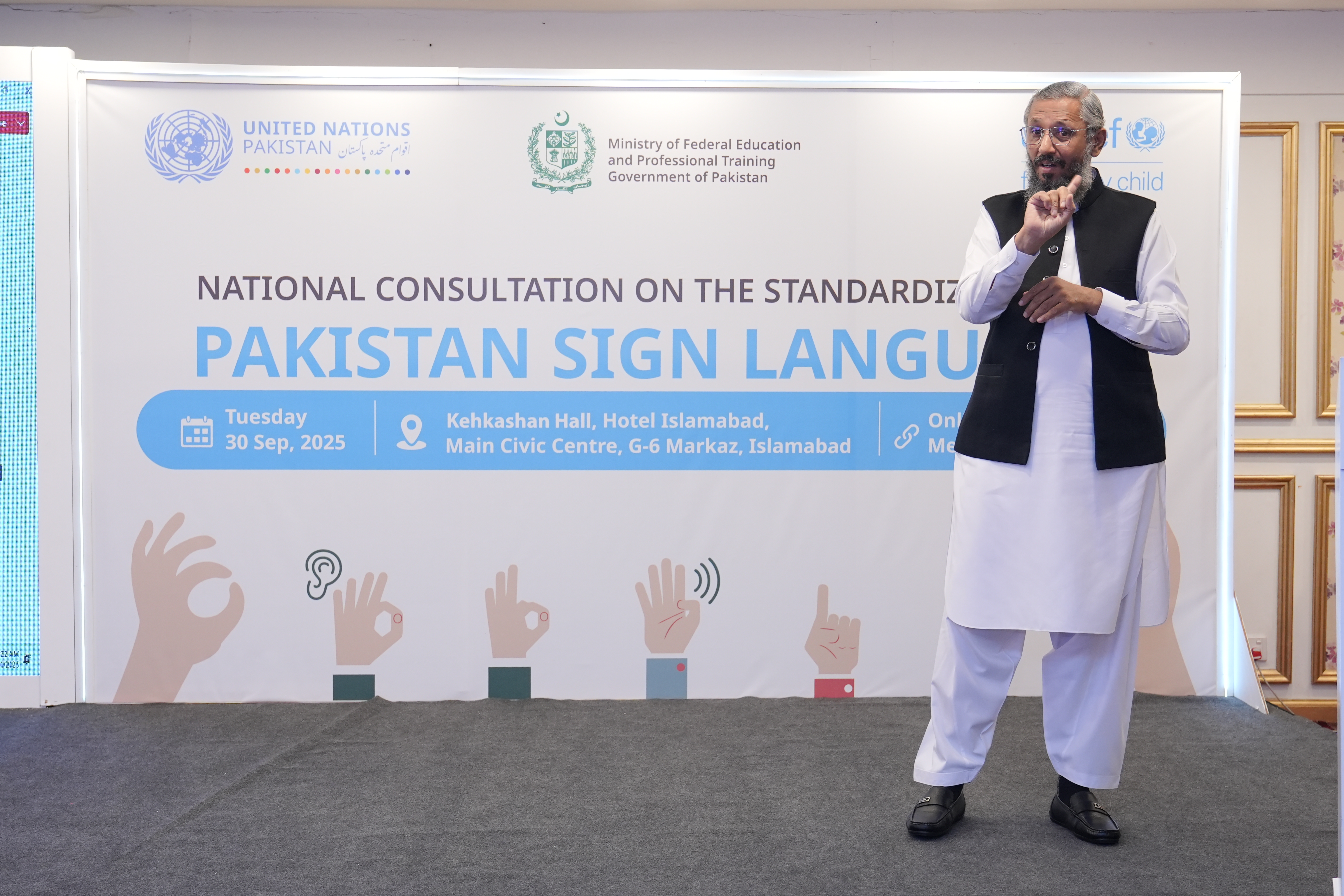
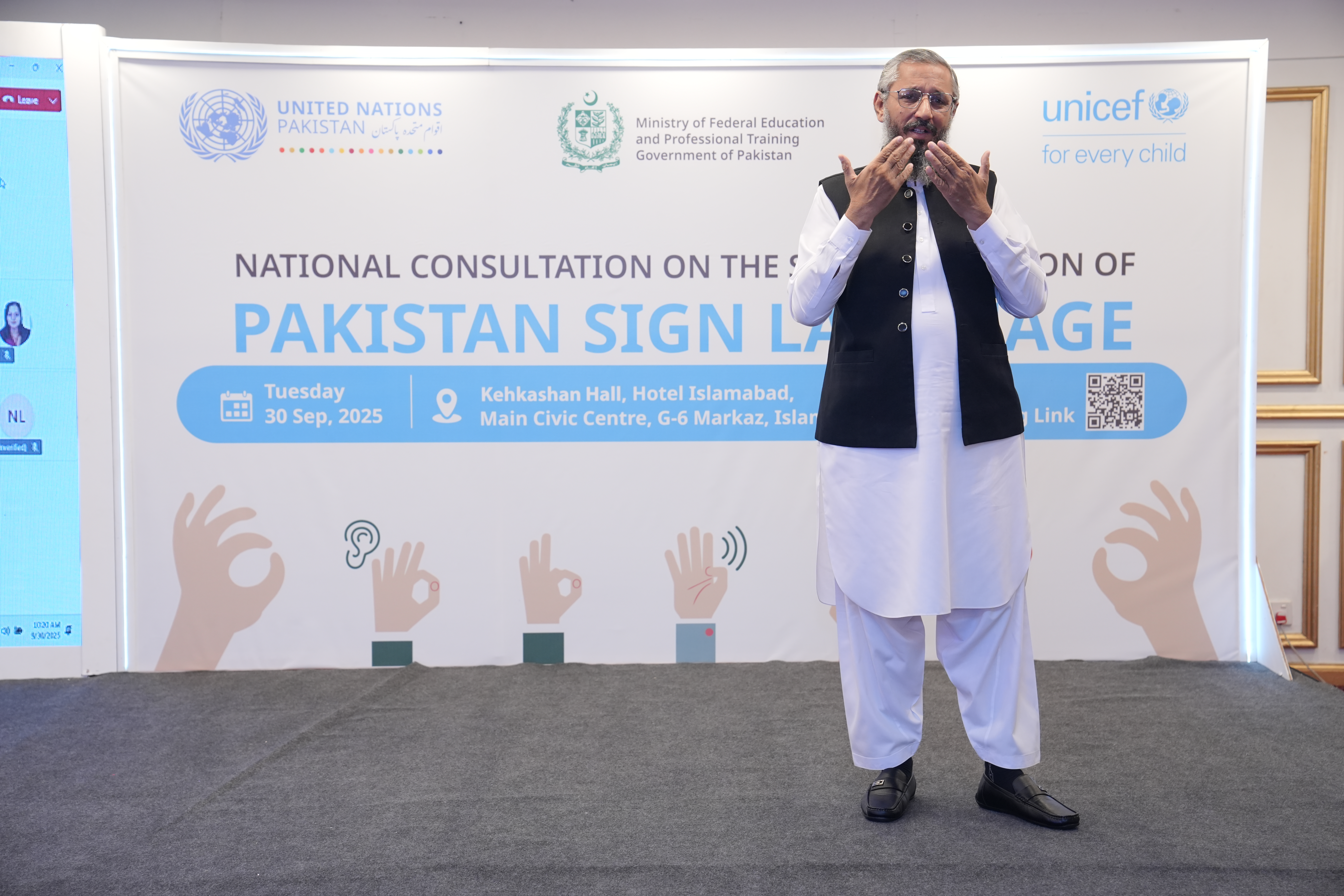
A major national milestone for NRIPSL was the nomination of Mr. Irfan Mumtaz, Chief Executive of the Pakistan Association of the Deaf (PAD), at the federal level for Pakistan Sign Language.
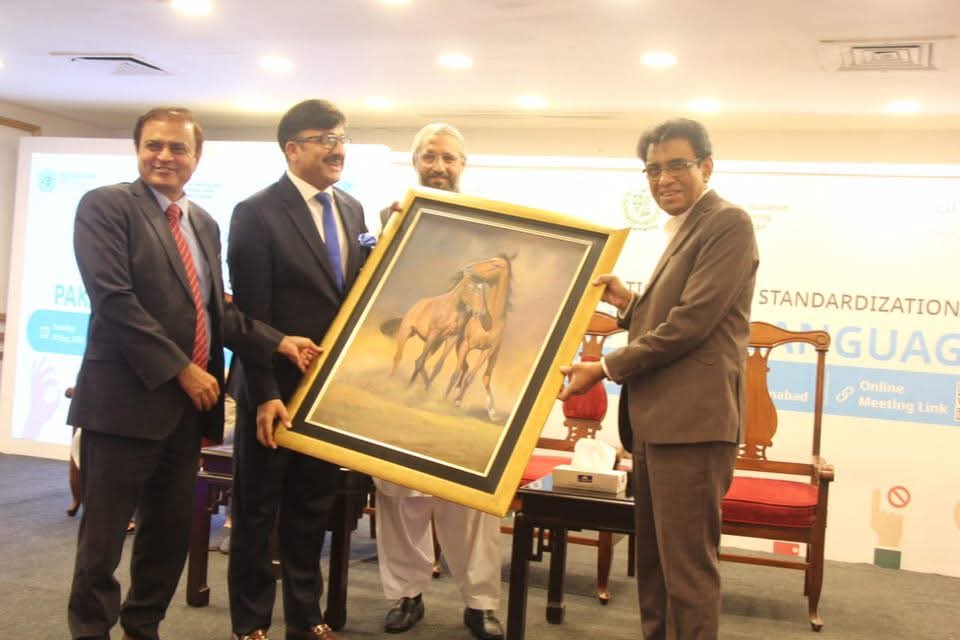
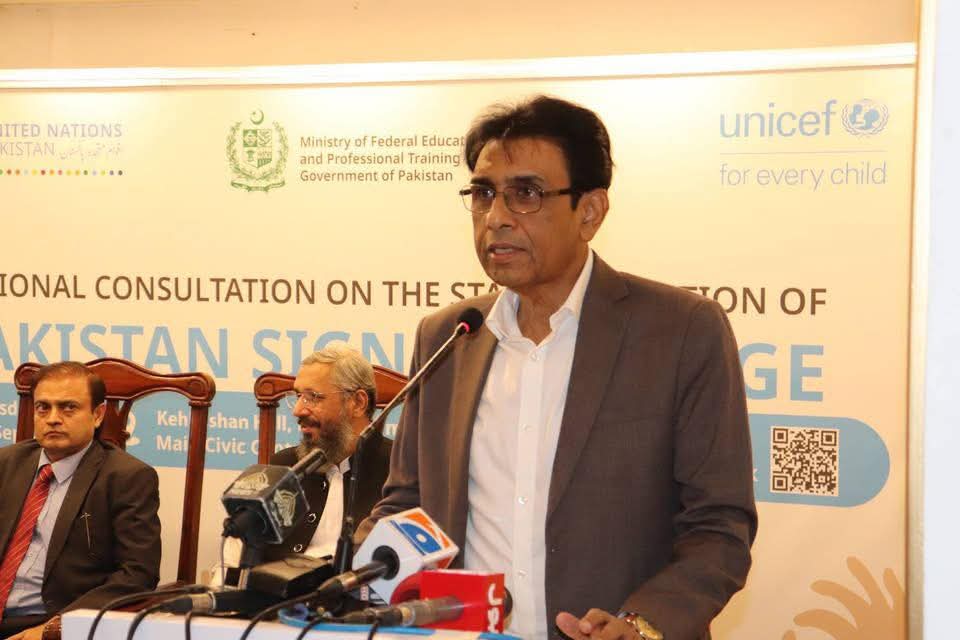
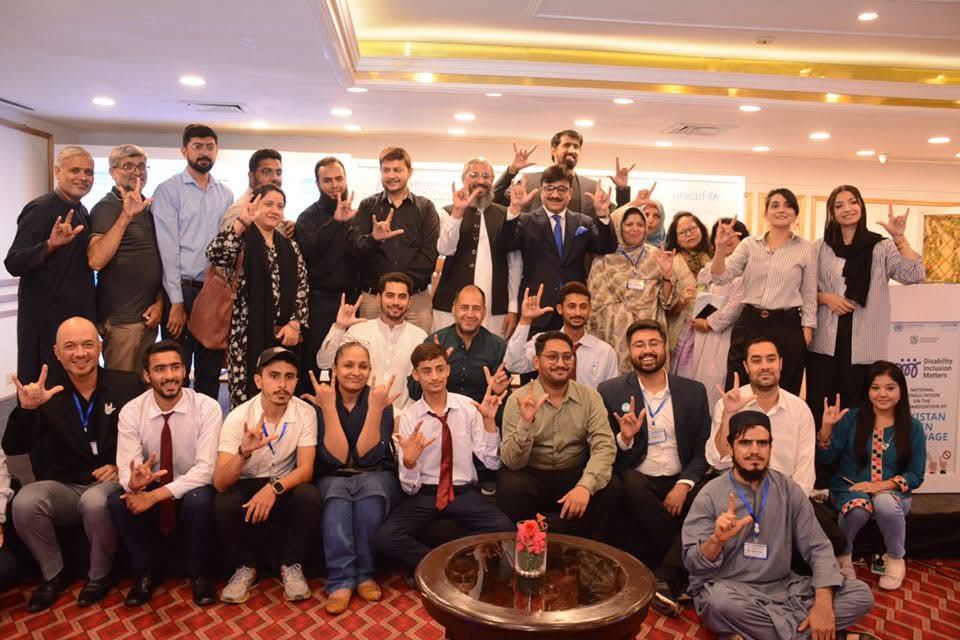
This nomination took place on 30 September 2025 in Islamabad, during a national consultation convened by the Ministry of Federal Education & Professional Training (MoFE&PT), Government of Pakistan, in collaboration with UNICEF Pakistan.
This recognition reflects the trust and confidence of federal authorities in PAD as leading institution for Pakistani Sign Language development, research, and standardization at the national level.
Provincial-Level Contributions – Government of Sindh
Before and alongside federal engagement, PAD has played a significant role at the provincial level through the Government of Sindh. PAD actively participated in meetings of the Sign Language Committee established under the Department of Empowerment of Persons with Disabilities (DEPD), Government of Sindh.
As recorded in the official minutes of Sign Language Committee meetings, PAD contributed to key discussions and recommendations related to the recognition, development, and promotion of Pakistani Sign Language within the province. These policy-level contributions laid a strong foundation for structured sign language development and later supported the establishment and strategic direction of NRIPSL.
Educational Publications:
NRIPSL has successfully compiled, designed, and published 25 Pakistani Sign Language (PSL) books. These publications are widely used by Deaf students, teachers, schools, and institutions across Pakistan. The books cover multiple subjects and educational levels, making them an essential and reliable resource for Deaf education nationwide.
The books cover multiple subjects and educational levels, making them an essential and reliable resource for Deaf education nationwide.
Current Work: Early Childhood Education (ECE)
NRIPSL is currently developing Early Childhood Education (ECE) materials in Pakistani Sign Language, focusing on foundational learning for Deaf children. The institute is preparing PSL-based books for:
- Playgroup / Nursery
- Kindergarten (KG)
- Preparatory Class (Prep)
These early learning materials aim to provide age-appropriate, visually accessible, and language-rich education in PSL, laying a strong educational foundation during the critical early years of a Deaf child’s development.
Our Inspiration & Valued Support
NRIPSL proudly acknowledges the enduring support of Martin Dow and pays heartfelt tribute to the late Mr. Abdul Sattar Akhai, whose vision and unwavering commitment to accessible education have left a lasting legacy for the Deaf community in Pakistan.
Today, Martin Dow continues to honour his legacy by supporting the development and publication of Pakistan Sign Language educational resources, helping expand access to knowledge, promote inclusion, and empower Deaf individuals across the country.
Commitment to Deaf Education and Inclusion
Through NRIPSL, the Pakistan Association of the Deaf (PAD) continues its strong commitment to advancing Deaf education, promoting linguistic inclusion, and collaborating with government departments at both federal and provincial levels.
NRIPSL works to ensure that every Deaf child and adult in Pakistan has access to high-quality learning resources in Pakistani Sign Language, supporting equal opportunities, dignity, and lifelong learning.